
Welcome to Books Cumbria
Discover a wealth of Cumbrian titles as you browse...
We also sell signed editions by bestselling authors as well as special editions of books exclusive to independent bookshops.
Time to explore....
Signed Editions
We have a selection of signed books available across a range of subjects. From fiction to fellrunning, cookery to crime, we've got it covered!
Signed books make ideal, unique and special gifts for all occasions at any time of year.
We have signed editions of books by Philippa Gregory, Mary Beard, Helen Skelton, Stephen Fry, Jamie Oliver, Lee Child, Clare Balding, Grace Dent, Helen Rebanks....and many many more

Recent & Popular Cumbrian Titles


Gwen John
A Life In Sonnets
An Illustrated History of Maryport
The Spirit of the Fells
From Coffin Grease To Love Feasts
A Primitive Methodist Family In Westmorland
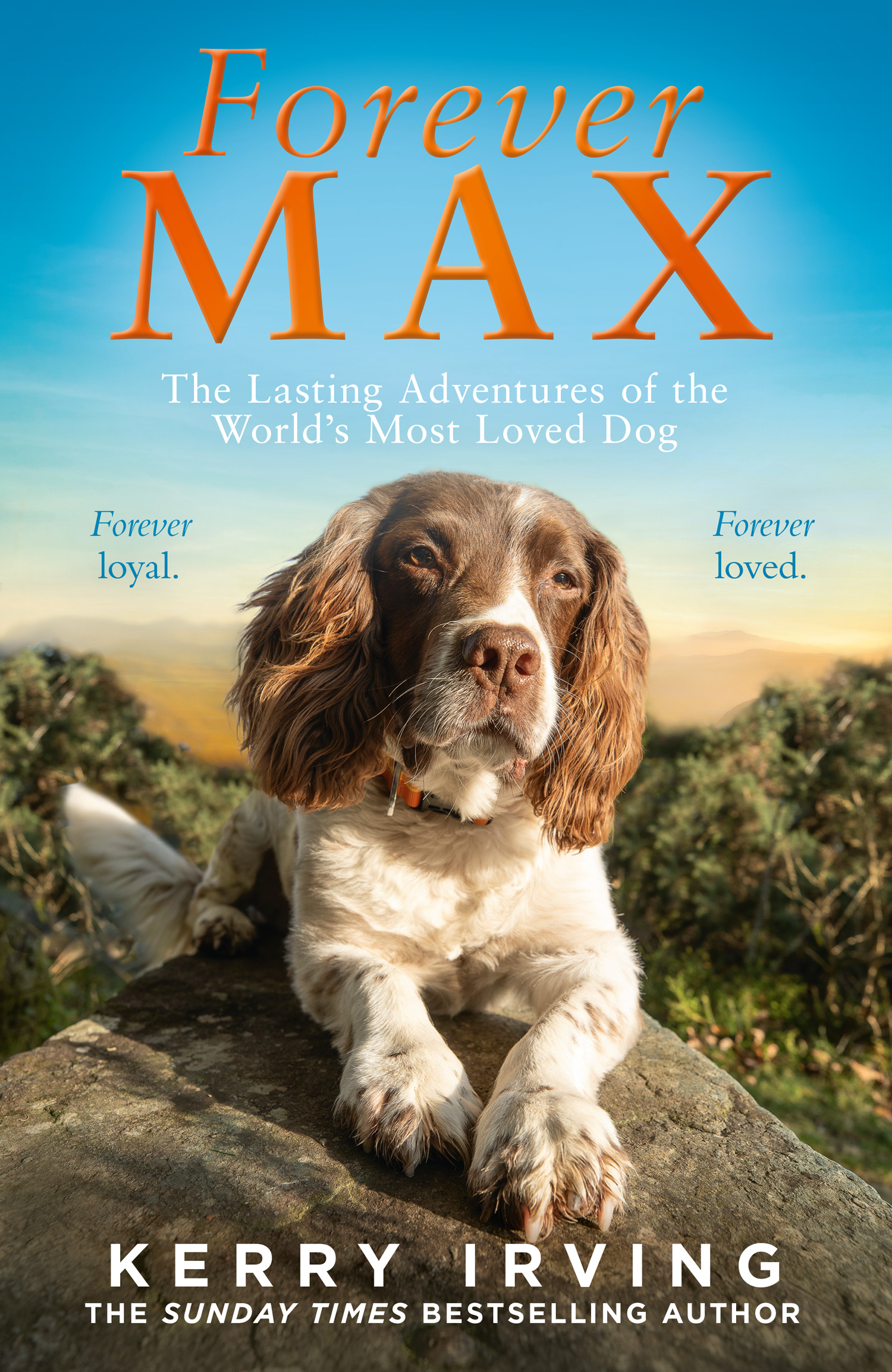
Forever Max
A Newt In Hard Tarn
An Appreciation Of Alfred Wainwright
The Farmer’s Wife
My Life in Days
All Before Me
A Search For Belonging In Wordsworth's Lake District
Buses In The Lake District And North Lancashire
Lakeland Dialect 2023
Journal of the Lakeland Dialect Society
All My Wild Mothers
Motherhood, Loss And An Apothecary Garden
A Literary Walking Tour Of Carlisle
A Countrystride Guidebook
Hill Farming in the North of England
Signed Editions
Another England
How To Reclaim Our National Story
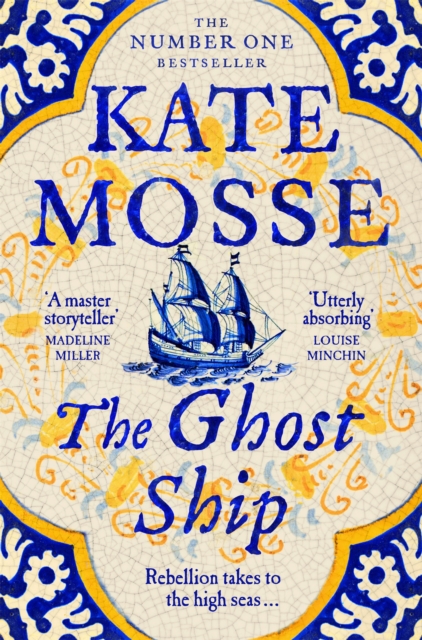
The Ghost Ship
Normal Rules Don’t Apply
Short Stories (Paperback)
The Mercy Chair
What
The Hotel Avocado
How to Disappear
A Portrait of Radiohead
Still Waters & Wild Waves
Midnight & Blue
Blossomise
Crypt
Time to browse and explore some of our favourite Cumbrian categories?

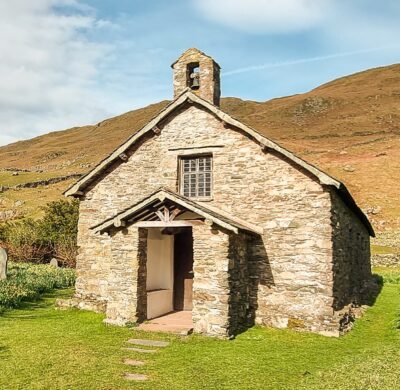

Not just Cumbrian books
Browse a greater selection of UK published books
when you visit our Bookshop.org site
where you'll find a further 500,000 titles
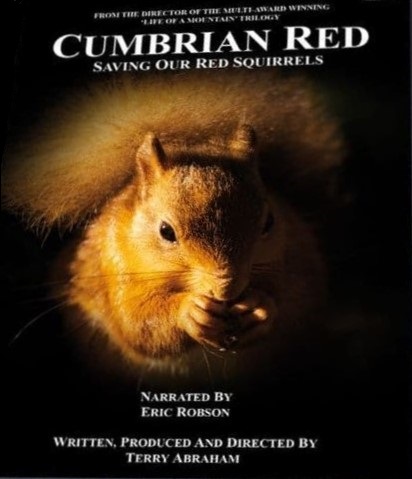
You've got the books... don't forget the DVDs
Mountains, walking, railways, history, people and places, wildlife
Stunning visual reminders of our region